
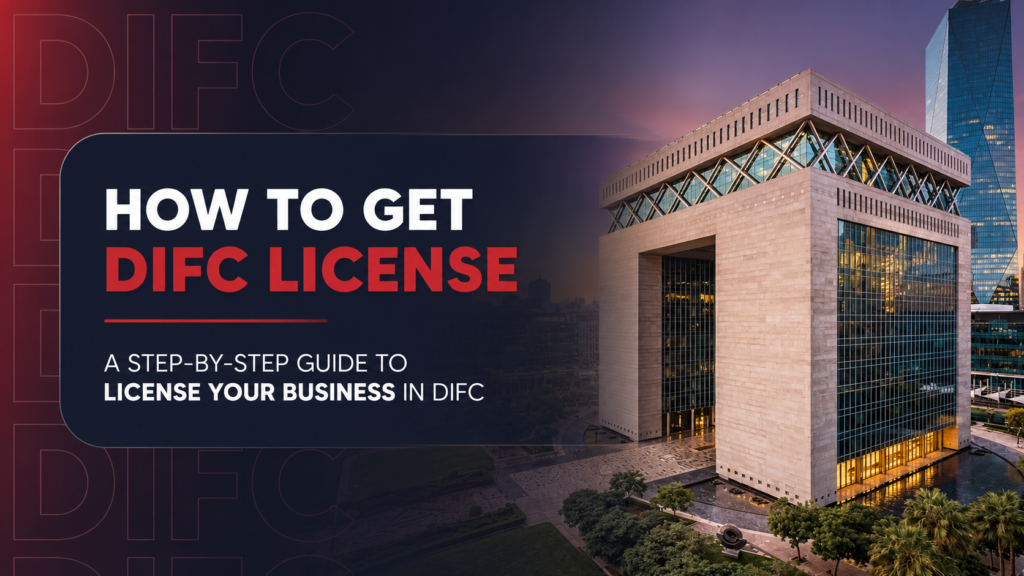
The Dubai International Financial Centre (DIFC) is one of the most prestigious financial hubs in the world. It serves as a gateway for businesses looking to expand in the Middle East, Africa, and South Asia (MEASA) region. Known for its independent legal framework and investor-friendly policies, DIFC has become a top choice for global companies.
If you are planning to establish a business in this premium zone, understanding how to obtain a DIFC license is essential. This guide covers everything from eligibility and process to costs and benefits.
The Dubai International Financial Centre is a special economic zone in Dubai designed to support financial services and related industries.
According to Wikipedia – Dubai International Financial Centre, DIFC operates under its own legal system based on English common law, making it unique compared to other UAE jurisdictions.
This structure provides a transparent and globally recognized environment for businesses, especially those involved in finance, fintech, and consulting.
DIFC offers several advantages that make it highly attractive to investors and entrepreneurs. One of the biggest benefits is 100% foreign ownership, allowing business owners full control over their operations.
In addition, DIFC provides a tax-efficient environment, world-class infrastructure, and access to a global financial network. Its strategic location connects businesses to major international markets.
Setting up a Dubai business in DIFC enhances your brand credibility and opens doors to global opportunities.
DIFC offers different types of licenses depending on the nature of your business.
Financial services licenses are required for banking, insurance, and investment firms. Professional services licenses are suitable for consulting, legal, and advisory firms.
There are also licenses for retail and innovation businesses, including fintech startups. Choosing the correct business license ensures compliance and smooth operations.
To obtain a DIFC license, businesses must meet specific eligibility criteria. These requirements vary depending on the type of activity.
Generally, you need a well-defined business plan, adequate capital, and qualified management. Financial institutions may require additional regulatory approvals.
Meeting these criteria is essential for a successful license process.
Obtaining a DIFC license involves a structured process that ensures compliance with regulations. Here are the key steps:
This setup process ensures that your business is legally established and ready to operate.
The cost of obtaining a DIFC license is relatively higher compared to other business zones in Dubai due to its premium positioning.
License fees typically start from around USD 12,000 to USD 15,000 per year, depending on the business type. Office space costs are also significant, as physical presence within DIFC is mandatory.
Additional expenses include registration fees, visa costs, and professional service charges. Understanding the business cost helps you plan your investment effectively.
For more details on business regulations, you can also refer to UAE Government – Business Setup.
To apply for a DIFC license, you need to prepare several documents. These typically include passport copies of shareholders, a detailed business plan, and incorporation forms.
Additional documents may include financial statements, proof of capital, and regulatory approvals depending on your activity. Ensuring all documents are accurate will speed up the license process.
Setting up a business in DIFC comes with multiple advantages. It provides a globally recognized business environment with strong legal protection.
Key benefits include full foreign ownership, no personal income tax, and access to international markets. The independent legal framework also ensures transparency and investor confidence.
These advantages make the DIFC license highly valuable for businesses aiming for global expansion.
While DIFC offers many benefits, there are also some challenges. The cost of setup and office space can be high, making it less suitable for small startups with limited budgets.
Additionally, regulatory requirements can be strict, especially for financial institutions. Businesses must ensure full compliance to avoid penalties.
Understanding these challenges helps you make informed decisions about your business setup.
DIFC stands out from other free zones due to its focus on financial services and its independent legal system.
While other free zones may offer lower costs, DIFC provides greater credibility and access to global markets. It is ideal for businesses that require a strong financial ecosystem.
Choosing between DIFC and other zones depends on your business goals, industry, and budget.
DIFC continues to grow as a global financial hub. With the rise of fintech, digital banking, and innovation-driven businesses, the center is attracting more startups and multinational companies.
The government’s focus on innovation and economic diversification further strengthens DIFC’s position. Investing in a DIFC license today can provide long-term growth opportunities.
Getting a DIFC license is a strategic move for businesses looking to establish a strong presence in Dubai’s financial sector. Although the process involves higher costs and strict regulations, the benefits outweigh the challenges.
By understanding the setup process, preparing the necessary documents, and choosing the right license type, you can successfully set up your business in DIFC.
With its global reputation and investor-friendly environment, DIFC remains one of the best destinations for business growth in 2026 and beyond.
